
Understanding Your Vocal Folds: A Singer’s Guide
Your vocal folds, often called vocal cords, are the core structures that produce your voice. They are folds of tissue inside the larynx (voice box) that vibrate as air passes through, creating sound. Every note you sing and every word you speak comes from the precise movement of these folds.
Where They Are and How They Work
- The vocal folds sit inside the larynx, at the top of your trachea.
- They stretch from front to back and can open and close to control airflow.
- When you breathe, the folds remain open. When you speak or sing, they come together and vibrate as air passes between them, producing sound.
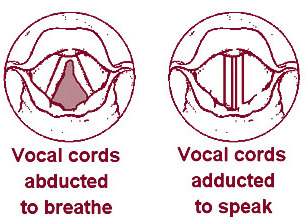
Your pitch is determined by the folds’ length and tension: tighter, thinner folds produce higher notes; thicker, longer folds produce lower notes.
Air pressure from the lungs also influences vibration.
Size and Voice Characteristics
- Vocal folds grow with age: approximately 6–8 mm at birth, reaching 8–16 mm in adults.
- Adult male folds are generally longer and thicker than adult female folds, which contributes to deeper voices.
True and False Folds
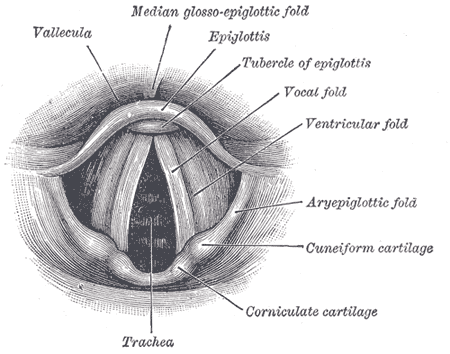
True Vocal Folds
- The primary vibrating folds responsible for producing pitched sound.
- Made of layers including epithelium, vocal ligament, and vocalis muscle.
- Control pitch and tone through length, tension, and mass.
False Vocal Folds (Vestibular Folds)
- Sit just above the true folds and form the upper boundary of the laryngeal vestibule.
- Composed of mucous membrane, fibrous tissue, and small muscles.
- Do not normally vibrate for pitch, but they:
- Protect the airway during swallowing and speech.
- Provide subtle support and stability for airflow when phonating.
- Influence resonance and pressure control, which affects voice quality.
- Even when not producing sound directly, the false folds are always engaged, helping the true folds function efficiently. In certain vocal techniques (for example, throat singing or growls), they can vibrate actively.
- Vocal folds attach to cartilage and muscles in the larynx, allowing them to open, close, and adjust tension.
- The recurrent laryngeal nerve and other laryngeal nerves control these muscles, giving precise regulation over pitch, tone, and stability.
Supporting Anatomy
- Vocal folds attach to cartilage and muscles in the larynx, allowing them to open, close, and adjust tension.
- The recurrent laryngeal nerve and other laryngeal nerves control these muscles, giving precise regulation over pitch, tone, and stability.
Why This Matters for Singers
- Pitch and Tone Control
Understanding how your folds adjust tension and length helps you shape your sound precisely. - Vocal Health
Both true and false folds are delicate. Overuse, misalignment, or poor technique can lead to swelling, nodules, or inefficient phonation. Proper technique and rest protect your voice. - Technique Awareness
Vocal breaks, shifts, or tension often result from how folds are vibrating or how the false folds are supporting airflow. Awareness helps you develop smoother, more controlled singing.
Additional Insights
- Vocal folds are covered in a mucous membrane to stay lubricated.
- They play roles in singing, speaking, breathing, and swallowing.
- Over time, the structure of the folds naturally changes, which may affect voice quality.
Summary
Vocal folds are complex, dynamic tissue structures that form the foundation of your voice.
- True folds produce the sound you hear.
- False folds constantly support and protect the voice, subtly influencing tone and resonance.
- Understanding both sets of folds allows you to sing with control, clarity, and endurance, while minimising the risk of injury.
By recognising the roles of both true and false folds, singers can approach technique with precision and awareness, building a sustainable and expressive voice.